
The Skin Edit · Exfoliation & Skin Education
Does Dermaplaning Make Facial Hair
Grow Back Thicker?
The Truth About Peach Fuzz, Smoother Skin, and Dermaplaning After 40
You've probably heard it before: “Don't shave your face! The hair will grow back thicker!” It's one of those beauty myths that refuses to retire — right up there with the idea that expensive skincare automatically means better skincare.
Dermaplaning does not make facial hair grow back thicker, darker, or faster.
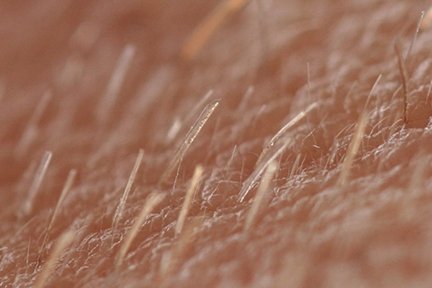
Fine, soft vellus hair sits at the surface. Dermaplaning gently removes surface hair without altering the follicle below.
If you've noticed more peach fuzz, dull-looking skin, or makeup that suddenly seems determined to highlight every little imperfection, dermaplaning might be worth understanding.
At The Skin Edit in Abbotsford, we believe better skin starts with better information. So let's separate the science from the skincare myths.
Treatment Overview
What Is Dermaplaning and How Does It Work?
Dermaplaning is a professional exfoliation treatment that uses a sterile, specialized blade to gently remove dead skin cells and fine facial hair from the surface of the skin.
That fine, soft hair is called vellus hair, although most of us know it as peach fuzz. Unlike treatments that penetrate deeper layers of skin, dermaplaning works at the surface.
The treatment can help:
- Remove fine peach fuzz (vellus hair) from the face
- Exfoliate accumulated dead skin cells and surface buildup
- Improve the appearance and feel of rough skin texture
- Give skin a smoother, brighter-looking finish
- Create a more even surface for flawless makeup application
- Allow skincare products to contact the skin without a barrier of surface hair and dead cells
The result is often skin that feels noticeably smoother immediately after treatment. And no, removing peach fuzz doesn't turn it into a five o'clock shadow.
The Biological Facts
Does Dermaplaning Make Hair Grow Back Thicker or Darker?
No. Dermaplaning does not change the thickness, colour, growth rate, or number of facial hair follicles.
Here's why: Hair grows from follicles beneath the skin. Dermaplaning removes the visible portion of the hair at the surface without changing the follicle itself. It does not alter the biological processes responsible for hair growth.
When the hair grows back, it retains its natural characteristics.
Why Does Facial Hair Sometimes Feel Coarser After Dermaplaning?
Natural facial hair often has a fine, tapered tip. When hair is cut at the skin's surface, the remaining shaft has a blunt edge. As it grows back, that edge may temporarily feel more noticeable to the touch.
This can create the impression that the hair has become thicker. But the follicle hasn't changed, and neither has the hair's underlying diameter.
It's a change in how the hair feels, not how it grows.
Hormones & Aging
Why Am I Getting More Peach Fuzz on My Face After 40 or 50?
If you've noticed changes in your facial hair as you've gotten older, you're not alone. Hormonal changes, genetics, medications, and natural aging can influence facial hair growth.
During perimenopause and menopause, declining estrogen levels change the balance between estrogen and androgens. For some women, this can contribute to more noticeable facial hair, particularly around the upper lip, chin, and jawline.
However, there's an important distinction between two types of facial hair:
Vellus Hair
Fine, soft, lightly pigmented hair commonly found across the cheeks, forehead, and overall face. This is what dermaplaning safely and effectively removes.
Terminal Hair
Thicker, coarser, more deeply pigmented hair that may develop on the chin or upper lip due to hormonal shifts. Requires laser or targeted hair removal rather than surface exfoliation.
Dermaplaning is primarily intended to remove fine vellus hair and exfoliate the skin. It isn't a long-term solution for coarse, hormonally influenced facial hair.
If you're experiencing sudden or significant increases in coarse facial hair, especially alongside other hormonal symptoms, it's worth discussing with your healthcare provider.
Mature Skin Care
Is Dermaplaning Good for Mature Skin?
Dermaplaning can be a useful exfoliation option for suitable mature skin, particularly when dullness, surface roughness, and fine facial hair are concerns.
As we age, changes in skin cell turnover, hydration, and collagen production can affect how smooth and radiant our skin appears. Dead skin cells may accumulate on the surface, contributing to a dull or uneven-looking complexion.
Dermaplaning physically removes some of those surface cells, helping reveal a smoother-looking finish.
Benefits of Dermaplaning for Skin Over 40 and 50
Smoother skin texture
Removing surface buildup can make skin feel softer and appear noticeably more even.
Brighter-looking complexion
Exfoliating dead surface cells helps counter the natural slowdown in cellular turnover, temporarily improving dull skin.
Less visible peach fuzz
Fine facial hair that becomes more noticeable in bright lighting or under foundation is cleanly removed.
Smoother makeup application
Foundation, concealer, and tinted moisturizers glide on without catching on dry patches or clinging to fuzz.
Non-invasive exfoliation
Dermaplaning requires no needles, chemicals, or downtime for most suitable candidates.
However, mature skin may also be thinner, drier, or more sensitive. Professional assessment is important, particularly for anyone using prescription retinoids or managing inflammatory skin conditions.
Can Dermaplaning Make Makeup Look Better?
If your foundation suddenly seems to settle into every patch of dry skin or cling to facial fuzz, dermaplaning may help. Fine facial hair and accumulated dead skin cells can contribute to uneven makeup application.
By removing surface buildup and peach fuzz, dermaplaning creates a smoother surface. Many people notice that foundation, tinted moisturizers, and other complexion products glide on more evenly afterward.
Sometimes the problem isn't your foundation. It's what your foundation is sitting on.
Does Dermaplaning Help With Wrinkles, Fine Lines, and Aging Skin?
Dermaplaning can temporarily improve the appearance of superficial skin texture, but it does not directly treat deeper wrinkles, significant skin laxity, or age-related collagen loss.
This is an important distinction. Dermaplaning is primarily a surface exfoliation treatment, not a deep collagen-remodeling procedure.
If your concerns include acne scarring, deeper wrinkles, or loss of firmness, treatments such as clinical microneedling, RF microneedling (Potenza), or our 5D Laser Facial may be more appropriate, depending on your skin and medical history.
Is Professional Dermaplaning Better Than Shaving Your Face at Home?
Both methods can remove facial hair from the surface, but there are important differences:
At-Home Facial Razors
Generally designed for personal hair removal and light surface scraping. Often feature plastic guards that limit the exfoliation depth.
Professional Dermaplaning
Uses a specialized surgical-grade blade and precise, controlled passes by a trained practitioner. Includes skin assessment to rule out contraindications.
However, professional dermaplaning isn't risk-free. Cuts, irritation, infection, and pigment changes can occur if performed on unsuitable skin or with improper technique. The objective isn't simply to remove peach fuzz — it's to exfoliate safely while respecting your skin barrier.
Safety & Contraindications
Who Should Avoid Dermaplaning?
Dermaplaning isn't appropriate for everyone. Treatment may need to be postponed or avoided if you have:
People with sensitive skin, a history of pigmentation changes, or recent use of strong exfoliating products should discuss these factors during their consultation. Your skin's condition matters more than following the latest beauty trend.
Common Questions
Dermaplaning FAQs
Everything you need to know before your treatment.
The Skin Edit by Melissa Jordan
Professional Dermaplaning in Abbotsford, BC
At The Skin Edit in Abbotsford, we believe effective skin care begins with understanding your skin, not simply choosing a treatment from a trend.
Whether you want to remove peach fuzz, refresh a dull complexion, or create the perfect canvas for your skincare routine, Melissa Jordan will evaluate your skin and tailor the treatment safely to your goals.
Less Hype. Smarter Skin Care.
Skin Health. Thoughtfully Edited.
